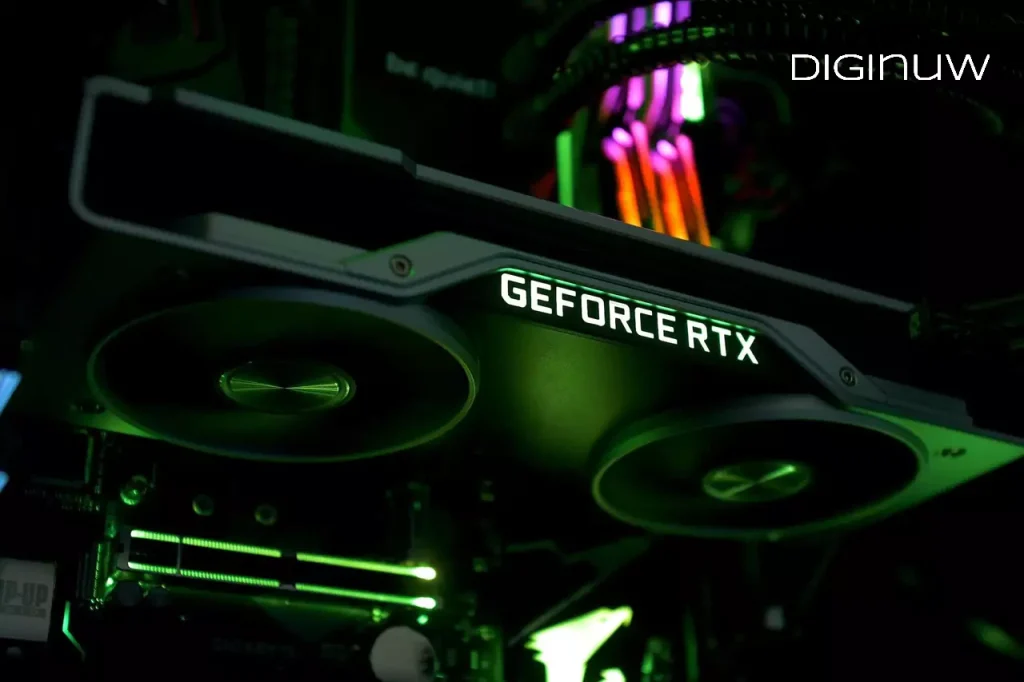
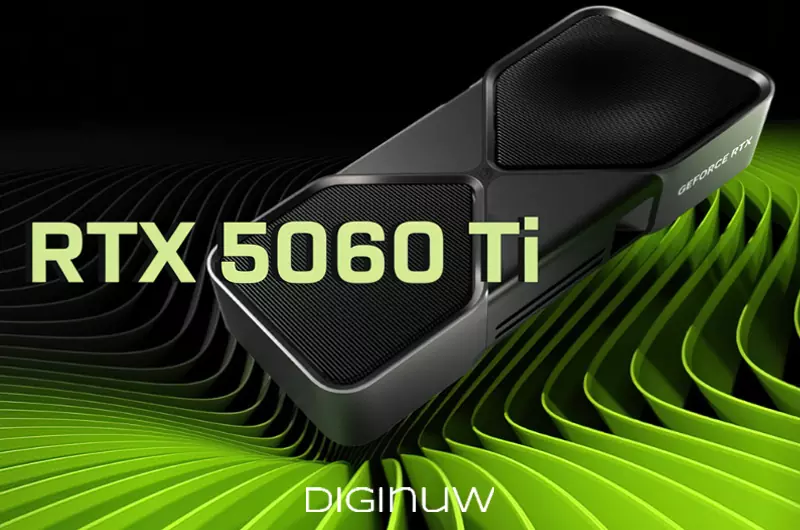
When the RTX 5060 Ti 16GB launched in April 2025, it looked like Nvidia had finally listened to years of complaints about skimpy VRAM. At $429 MSRP, it offered a genuine 13-19% performance gain over the RTX 4060 Ti, DLSS 4 support, and — most importantly — enough memory headroom to handle modern 1440p titles without the stuttering and texture pop-in that plagued its 8GB predecessor. Reviewers largely agreed: this was the mid-range card to buy.
Eighteen months later, that recommendation still holds — but the price tag around it has become almost unrecognizable.
The memory crisis, in numbers
Through 2026, a global shortage in DDR5 and GDDR7 memory has rippled through the entire PC hardware market, and graphics cards have taken a direct hit. Pricing for the RTX 5060 Ti 16GB has swung wildly depending on the week and the retailer:
| Period | Typical street price (16GB model) |
|---|---|
| Launch MSRP (April 2025) | $429 |
| Newegg deal, MSI Shadow OC Plus (Aug 20, 2026) | $499.99 — lowest in 30 days at the time |
| Mid-2026 average across retailers | $429–$615 |
| Newegg custom editions (late Aug 2026) | $700–$800+, some models near $1,000–$1,200 |
| Several retailers, current (Sep 2026) | $729–$829 average |
That’s not a typo: on a bad week, the same 16GB card can cost nearly double its original launch price. A 32GB DDR5-6000 kit that cost around $200 in 2024 now runs upward of $400, and 2TB NVMe drives have followed the same trajectory — this isn’t a GPU-specific problem, it’s a memory-wide one.
Does it still make sense to buy one?
Reviewers who’ve retested the card through 2026 still rank it as the sensible mid-range pick — *if* you can find it near MSRP. The core case for the 16GB version over the cheaper 8GB model hasn’t changed: modern titles at 1440p increasingly need more than 8GB of VRAM to avoid stuttering and texture issues, and the 16GB variant is built to last through an entire GPU generation rather than needing a re-upgrade in two years.
What has changed is the buying strategy. With pricing this volatile, chasing a specific model or overclock variant matters far less than it used to — most partner cards use the same underlying GPU, so the practical advice from current reviewers is simple: track prices weekly, buy whichever 16GB card is cheapest in stock, and treat anything close to $429–$480 as a good deal rather than waiting for a return to launch pricing that may not come back soon.
The bigger picture
The RTX 5060 Ti’s price swing is really a symptom of something larger: 2026 has become an unusually expensive year to build a PC, not because any single component got worse, but because the memory that goes into nearly every part — GPUs, RAM kits, SSDs — is in short supply industry-wide. A GPU that reviewers still consider the best deal in its class can simultaneously be a genuinely bad deal on any given week, depending purely on when you happen to be shopping.
For anyone building a budget-to-midrange gaming PC right now, that makes the RTX 5060 Ti 16GB less a fixed recommendation and more a moving target worth tracking — the card itself hasn’t gotten worse since 2025, only harder to buy at the price that made it worth recommending in the first place.